
Bus from ASCHAFFENBURG to POLKOWICE - find a connection and buy a ticket
ASCHAFFENBURG
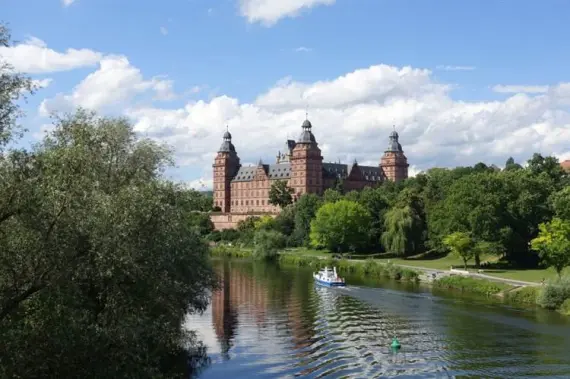
Aschaffenburg, known as the "Bavarian Nice," impresses with its atmosphere, cultural and architectural richness. At the heart of this city stands the majestic Johannisburg Castle, a Renaissance architectural gem, surrounded by enchanting gardens. This imposing structure, built of red sandstone, not only dominates the cityscape, but also offers rich art collections and historic interiors, including works by Lucas Cranach the Elder. The Pompejanum, on the other hand, transports visitors to ancient Rome, being a faithful replica of a Roman villa. These unique attractions make Aschaffenburg a place where history comes alive in every corner.
Teaterplatz is the cultural heart of the city, with an early 19th century city theater and one of the largest sundials in Europe. The square is not only a place to meet and relax, but also a starting point to further explore Aschaffenburg's cultural wealth, including the Stiftsmuseum with its collection of church art. As a result, Aschaffenburg offers a variety of cultural experiences, from theater to history and art, that attract culture lovers from around the world.
Buses to and from Aschaffenburg
Aschaffenburg is well connected to the rest of Germany and neighboring countries thanks to an extensive bus network. Buses to and from the city offer easy access to all its attractions, making it an attractive point on the tourist map. Travel comfort and direct connections to key cities ensure that visitors can enjoy Aschaffenburg's cultural and historical riches without undue hardship.
Aschaffenburg, known as the "Bavarian Nice," impresses with its atmosphere, cultural and architectural richness. At the heart of this city stands the majestic Johannisburg Castle, a Renaissance architectural gem, surrounded by enchanting gardens. This imposing structure, built of red sandstone, not only dominates the cityscape, but also offers rich art collections and historic interiors, including works by Lucas Cranach the Elder. The Pompejanum, on the other hand, transports visitors to ancient Rome, being a faithful replica of a Roman villa. These unique attractions make Aschaffenburg a place where history comes alive in every corner.
Teaterplatz is the cultural heart of the city, with an early 19th century city theater and one of the largest sundials in Europe. The square is not only a place to meet and relax, but also a starting point to further explore Aschaffenburg's cultural wealth, including the Stiftsmuseum with its collection of church art. As a result, Aschaffenburg offers a variety of cultural experiences, from theater to history and art, that attract culture lovers from around the world.
Buses to and from Aschaffenburg
Aschaffenburg is well connected to the rest of Germany and neighboring countries thanks to an extensive bus network. Buses to and from the city offer easy access to all its attractions, making it an attractive point on the tourist map. Travel comfort and direct connections to key cities ensure that visitors can enjoy Aschaffenburg's cultural and historical riches without undue hardship.
POLKOWICE
Polkowice is located in the Lower Silesian province northwest of Wroclaw. This small town has a population of more than 22,000 and is primarily famous as a so-called copper town belonging to the Legnica-Glogów Copper District. However, its history goes back much further than the years of the 19th-century industrial revolution. In 1291 Polkowice was granted a city charter, having previously been a market settlement on the trade route between Glogow and Legnica.
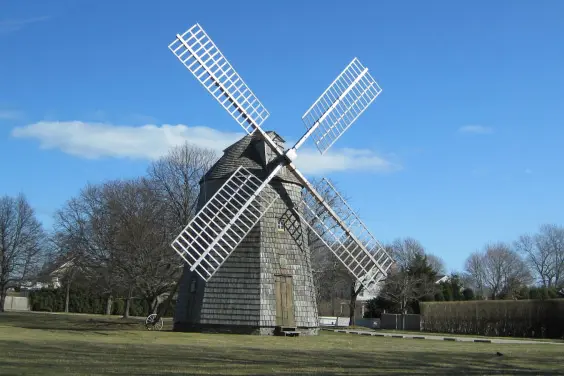
When visiting Polkowice, it is essential to see the well-preserved market square, full of colorful tenement houses, together with the town hall building dating back to the 18th century and the Gothic church of St. Michael the Archangel dating back to 1679. The symbol and unquestionable attraction of Polkowice is the Dutch windmill, inside of which you can learn more about the history of this Piast stronghold at the dawn of time, and from the observation deck at its top admire the panorama of the city.
An ideal place for those who want active rest in the midst of nature and greenery will be the Central Park of Fun and Leisure located in the center of Polkowice. On its territory you will find an amphitheater, a playground, a fountain or even an open-air library.
Polkowice - bus, train or own transport
Getting to Polkowice by car or bus should not be a problem, as the city lies on the S3 expressway and provincial road 331. The Polkowice PKS bus stop can be found near the historic windmill on Mlynska Street, from where numerous domestic and international bus connections depart. However, trains do not reach the town and it has no railroad station.
Polkowice is located in the Lower Silesian province northwest of Wroclaw. This small town has a population of more than 22,000 and is primarily famous as a so-called copper town belonging to the Legnica-Glogów Copper District. However, its history goes back much further than the years of the 19th-century industrial revolution. In 1291 Polkowice was granted a city charter, having previously been a market settlement on the trade route between Glogow and Legnica.
When visiting Polkowice, it is essential to see the well-preserved market square, full of colorful tenement houses, together with the town hall building dating back to the 18th century and the Gothic church of St. Michael the Archangel dating back to 1679. The symbol and unquestionable attraction of Polkowice is the Dutch windmill, inside of which you can learn more about the history of this Piast stronghold at the dawn of time, and from the observation deck at its top admire the panorama of the city.
An ideal place for those who want active rest in the midst of nature and greenery will be the Central Park of Fun and Leisure located in the center of Polkowice. On its territory you will find an amphitheater, a playground, a fountain or even an open-air library.
Polkowice - bus, train or own transport
Getting to Polkowice by car or bus should not be a problem, as the city lies on the S3 expressway and provincial road 331. The Polkowice PKS bus stop can be found near the historic windmill on Mlynska Street, from where numerous domestic and international bus connections depart. However, trains do not reach the town and it has no railroad station.







© 2025 Sindbad
Technical support, assistance, payments: Sindbad IT
© 2025 Sindbad
Technical support, assistance, payments: Sindbad IT