
Bus from ASCHAFFENBURG to PSZOW. Current connections
ASCHAFFENBURG
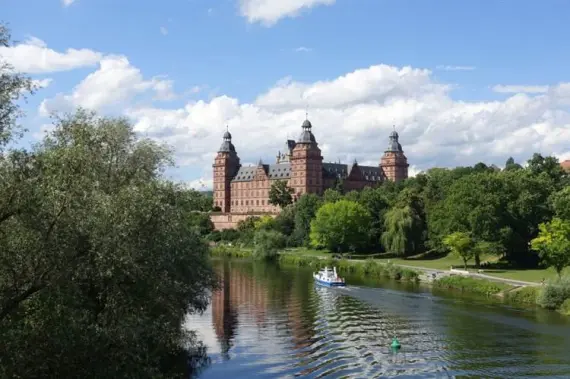
Aschaffenburg, known as the "Bavarian Nice," impresses with its atmosphere, cultural and architectural richness. At the heart of this city stands the majestic Johannisburg Castle, a Renaissance architectural gem, surrounded by enchanting gardens. This imposing structure, built of red sandstone, not only dominates the cityscape, but also offers rich art collections and historic interiors, including works by Lucas Cranach the Elder. The Pompejanum, on the other hand, transports visitors to ancient Rome, being a faithful replica of a Roman villa. These unique attractions make Aschaffenburg a place where history comes alive in every corner.
Teaterplatz is the cultural heart of the city, with an early 19th century city theater and one of the largest sundials in Europe. The square is not only a place to meet and relax, but also a starting point to further explore Aschaffenburg's cultural wealth, including the Stiftsmuseum with its collection of church art. As a result, Aschaffenburg offers a variety of cultural experiences, from theater to history and art, that attract culture lovers from around the world.
Buses to and from Aschaffenburg
Aschaffenburg is well connected to the rest of Germany and neighboring countries thanks to an extensive bus network. Buses to and from the city offer easy access to all its attractions, making it an attractive point on the tourist map. Travel comfort and direct connections to key cities ensure that visitors can enjoy Aschaffenburg's cultural and historical riches without undue hardship.
Aschaffenburg, known as the "Bavarian Nice," impresses with its atmosphere, cultural and architectural richness. At the heart of this city stands the majestic Johannisburg Castle, a Renaissance architectural gem, surrounded by enchanting gardens. This imposing structure, built of red sandstone, not only dominates the cityscape, but also offers rich art collections and historic interiors, including works by Lucas Cranach the Elder. The Pompejanum, on the other hand, transports visitors to ancient Rome, being a faithful replica of a Roman villa. These unique attractions make Aschaffenburg a place where history comes alive in every corner.
Teaterplatz is the cultural heart of the city, with an early 19th century city theater and one of the largest sundials in Europe. The square is not only a place to meet and relax, but also a starting point to further explore Aschaffenburg's cultural wealth, including the Stiftsmuseum with its collection of church art. As a result, Aschaffenburg offers a variety of cultural experiences, from theater to history and art, that attract culture lovers from around the world.
Buses to and from Aschaffenburg
Aschaffenburg is well connected to the rest of Germany and neighboring countries thanks to an extensive bus network. Buses to and from the city offer easy access to all its attractions, making it an attractive point on the tourist map. Travel comfort and direct connections to key cities ensure that visitors can enjoy Aschaffenburg's cultural and historical riches without undue hardship.
PSZOW
As you explore Pszow, a tiny town in the heart of the Silesian province, you may feel that you are stepping on the footsteps of time. Situated quietly in the valley of the Oder River, this place comes alive with history and culture, tempting tourists with the richness of its attractions.
Undoubtedly, the crown monument of the city is the Minor Basilica of the Nativity of the Blessed Virgin Mary. Its Gothic architecture, given a Baroque facelift over time, hides real treasures: the main altar from 1710, a baptismal font from three centuries ago and an organ made thirty years after the altarpiece.
Mentioning monuments, it is impossible to omit St. Nicholas Church. It's like reading ancient chronicles, where the 13th-century roots of this temple lead through the eras, from its Romanesque beginning to its Gothic transformations. The Romanesque portal from the 13th century, the Gothic altar from the 1500s and the Baroque font from the 1700s are like pages of a magic book.
On the other hand, in Tworków, not far from Pszow, you'll come across the ruins of a castle from the 14th century. Once erected at the request of the Dukes of Racibórz, it now presents itself as a fascinating ruin after being destroyed by war.
Ignacy Mine and Szarlota Heap
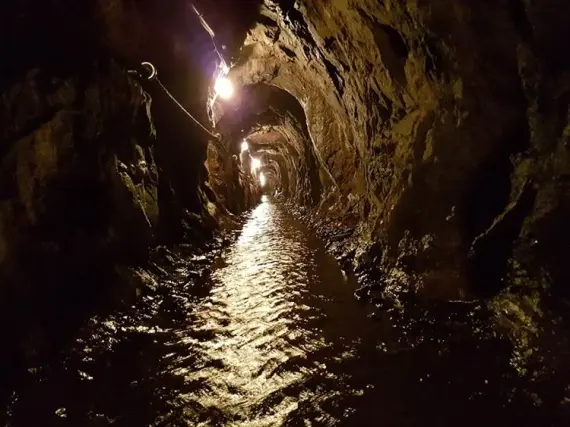
A little farther away, in Łączna, the Ignacy Mine is a piece of the past from the 19th century. One of the most modern in Upper Silesia at one time, today it is open to the public, shedding light on the hard times of mining.
In Pszow, the Szarlota Heap, an artificial mountain built from post-mining waste, is a must-see. The highest point on this heap offers an impressive panorama of the city and its surroundings.
Buses to and from Pszow
If you're planning a trip to Pszow, think about convenience. Buses to and from Pszow are a great option. Consider using the coaches of the line Sindbad. Modern, comfortable coaches stop right next to the Biedronka store on Traugutta Street.
As you explore Pszow, a tiny town in the heart of the Silesian province, you may feel that you are stepping on the footsteps of time. Situated quietly in the valley of the Oder River, this place comes alive with history and culture, tempting tourists with the richness of its attractions.
Undoubtedly, the crown monument of the city is the Minor Basilica of the Nativity of the Blessed Virgin Mary. Its Gothic architecture, given a Baroque facelift over time, hides real treasures: the main altar from 1710, a baptismal font from three centuries ago and an organ made thirty years after the altarpiece.
Mentioning monuments, it is impossible to omit St. Nicholas Church. It's like reading ancient chronicles, where the 13th-century roots of this temple lead through the eras, from its Romanesque beginning to its Gothic transformations. The Romanesque portal from the 13th century, the Gothic altar from the 1500s and the Baroque font from the 1700s are like pages of a magic book.
On the other hand, in Tworków, not far from Pszow, you'll come across the ruins of a castle from the 14th century. Once erected at the request of the Dukes of Racibórz, it now presents itself as a fascinating ruin after being destroyed by war.
Ignacy Mine and Szarlota Heap
A little farther away, in Łączna, the Ignacy Mine is a piece of the past from the 19th century. One of the most modern in Upper Silesia at one time, today it is open to the public, shedding light on the hard times of mining.
In Pszow, the Szarlota Heap, an artificial mountain built from post-mining waste, is a must-see. The highest point on this heap offers an impressive panorama of the city and its surroundings.
Buses to and from Pszow
If you're planning a trip to Pszow, think about convenience. Buses to and from Pszow are a great option. Consider using the coaches of the line Sindbad. Modern, comfortable coaches stop right next to the Biedronka store on Traugutta Street.







© 2025 Sindbad
Technical support, assistance, payments: Sindbad IT
© 2025 Sindbad
Technical support, assistance, payments: Sindbad IT