
Bus from BADEN-BADEN to LINZ. Current connections
BADEN-BADEN
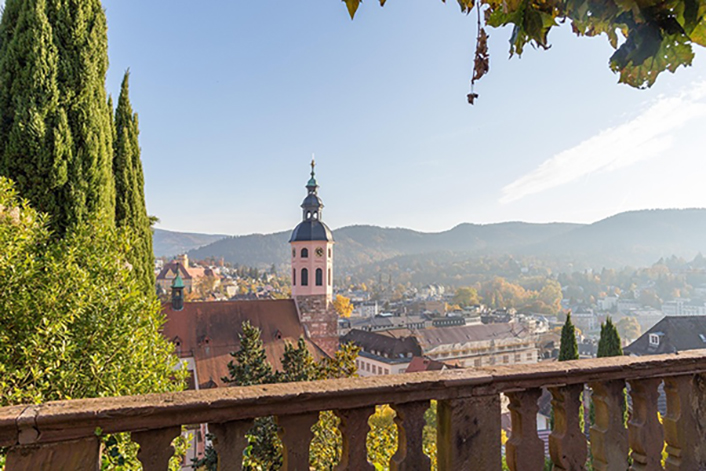
Baden-Baden is an elegant spa town in Germany, located in the picturesque Black Forest region in the state of Baden-Württemberg. It is known worldwide for its luxurious thermal baths, casinos and cultural atmosphere.
As far back as Roman times, Baden-Baden was prized for its hot thermal springs, which still attract tourists seeking relaxation and wellness. The most famous spa complex is the Friedrichsbad, combining Roman and Irish traditions, and the modern Caracalla-Therme.
The city is also famous for one of the oldest and most prestigious casinos in Europe, the Kurhaus Casino, which has been visited by historical figures such as Fyodor Dostoevsky.
Baden-Baden is also a center of culture, with numerous festivals, including the Music Festival at the Festspielhaus, one of the largest opera and concert venues in Europe.
With its unique atmosphere, elegance and natural surroundings, Baden-Baden is considered one of the most exclusive vacation destinations in Germany and Europe.
Baden-Baden is an elegant spa town in Germany, located in the picturesque Black Forest region in the state of Baden-Württemberg. It is known worldwide for its luxurious thermal baths, casinos and cultural atmosphere.
As far back as Roman times, Baden-Baden was prized for its hot thermal springs, which still attract tourists seeking relaxation and wellness. The most famous spa complex is the Friedrichsbad, combining Roman and Irish traditions, and the modern Caracalla-Therme.
The city is also famous for one of the oldest and most prestigious casinos in Europe, the Kurhaus Casino, which has been visited by historical figures such as Fyodor Dostoevsky.
Baden-Baden is also a center of culture, with numerous festivals, including the Music Festival at the Festspielhaus, one of the largest opera and concert venues in Europe.
With its unique atmosphere, elegance and natural surroundings, Baden-Baden is considered one of the most exclusive vacation destinations in Germany and Europe.
LINZ
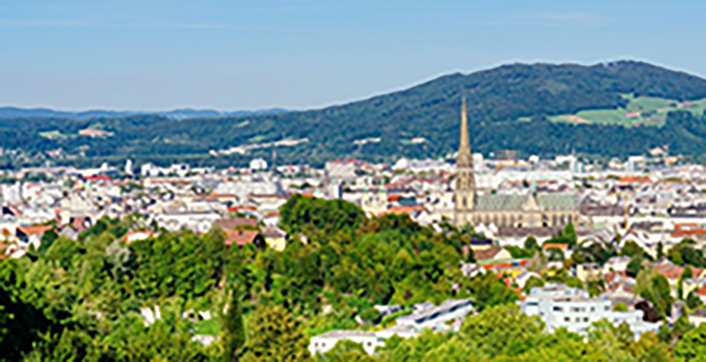
Linz is Austria's third-largest city, located on the Danube River in the western part of the country, in the Upper Austria region. The city combines modernity with a rich history, offering tourists many cultural, architectural and natural attractions.
Linz's strengths:
1. Culture and art:
a. Linz is the true cultural center of Austria. The city was the European Capital of Culture in 2009, which contributed to the dynamic development of the cultural sector. Linz is home to a number of museums and galleries, including the Lentos Kunstmuseum (a contemporary art museum), the Ars Electronica Center, which focuses on art and technology, and the Bruckner Museum, dedicated to composer Anton Bruckner, who was associated with the city.
2. Modern architecture:
a. Linz combines modern architecture with traditional buildings. Note the Ars Electronica Center, which is a symbol of modern Linz, and the Donauturm Tower, which offers a spectacular view of the city and the Danube River.
3. Monuments:
a. Linz also boasts historical attractions such as St. Mary's Cathedral (Mariendom), the largest church in Austria, the Old Market Square (Hauptplatz) with its picturesque townhouses, and Linz Castle, which offers a beautiful view of the city and the river.
4. Location on the Danube River:
a. The city is located on the Danube River, which is conducive to water tourism, walking along the river and exploring the scenic surroundings. There are also bicycle paths along the Danube to explore the region.
5. Transformation and innovation:
a. Linz is also known for innovation and technology. The city has a strong industrial tradition and is now betting on the development of the IT sector, start-ups and new technologies. The Ars Electronica Festival is one of the most important events in the world related to new media and digital art.
6. Events and festivals:
a. Linz hosts many art events and festivals throughout the year, such as the Ars Electronica Festival, Linz Fest and Pflasterspektakel, an international festival of street artists.
7. Good transport links:
a. Linz is well connected, both to other cities in Austria and to neighboring countries. The city has an international airport and convenient rail and road connections, making travel easy.
Linz is a place where tradition meets modernity, offering tourists a unique combination of culture, art, history and innovation.
Linz is Austria's third-largest city, located on the Danube River in the western part of the country, in the Upper Austria region. The city combines modernity with a rich history, offering tourists many cultural, architectural and natural attractions.
Linz's strengths:
1. Culture and art:
a. Linz is the true cultural center of Austria. The city was the European Capital of Culture in 2009, which contributed to the dynamic development of the cultural sector. Linz is home to a number of museums and galleries, including the Lentos Kunstmuseum (a contemporary art museum), the Ars Electronica Center, which focuses on art and technology, and the Bruckner Museum, dedicated to composer Anton Bruckner, who was associated with the city.
2. Modern architecture:
a. Linz combines modern architecture with traditional buildings. Note the Ars Electronica Center, which is a symbol of modern Linz, and the Donauturm Tower, which offers a spectacular view of the city and the Danube River.
3. Monuments:
a. Linz also boasts historical attractions such as St. Mary's Cathedral (Mariendom), the largest church in Austria, the Old Market Square (Hauptplatz) with its picturesque townhouses, and Linz Castle, which offers a beautiful view of the city and the river.
4. Location on the Danube River:
a. The city is located on the Danube River, which is conducive to water tourism, walking along the river and exploring the scenic surroundings. There are also bicycle paths along the Danube to explore the region.
5. Transformation and innovation:
a. Linz is also known for innovation and technology. The city has a strong industrial tradition and is now betting on the development of the IT sector, start-ups and new technologies. The Ars Electronica Festival is one of the most important events in the world related to new media and digital art.
6. Events and festivals:
a. Linz hosts many art events and festivals throughout the year, such as the Ars Electronica Festival, Linz Fest and Pflasterspektakel, an international festival of street artists.
7. Good transport links:
a. Linz is well connected, both to other cities in Austria and to neighboring countries. The city has an international airport and convenient rail and road connections, making travel easy.
Linz is a place where tradition meets modernity, offering tourists a unique combination of culture, art, history and innovation.







© 2026 Sindbad
Technical support, assistance, payments: Sindbad IT
© 2026 Sindbad
Technical support, assistance, payments: Sindbad IT