
Coach GLOGOWEK - ASCHAFFENBURG - find a connection and buy a ticket
GLOGOWEK
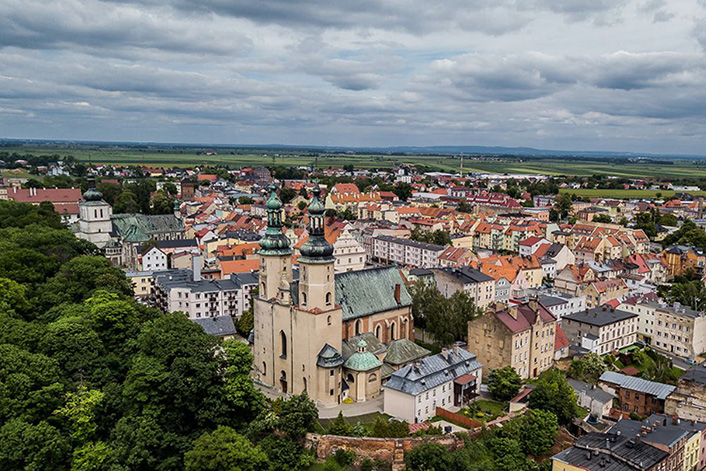
Glogowek is a small town in the Opole Province, located in southwestern Poland, and lies in an area rich in history and traditions. It is the seat of the Głogówek municipality and is located near the border with the Czech Republic, which makes it an interesting point both geographically and culturally.
Glogowek, has several interesting attractions that attract tourists and lovers of history and architecture:
1. Castle of the Dukes of Opole - one of Glogowek's most important landmarks is the castle, which dates back to the 14th century. It was once the main administrative center of the Opole princes. The castle has been rebuilt and expanded several times, but its historical value is still evident, and the building itself is an important part of the urban landscape.
2. St. Bartholomew Church - is a Gothic temple that is one of the oldest and most important monuments of the city. Although rebuilt many times, the church has retained many elements of its original character, including an impressive stained glass window and altar.
3. Town Hall - The neo-Renaissance town hall in Glogowek is another monument that attracts the attention of tourists. It is located in the center of the city, and its architecture exemplifies the style of the late 19th and early 20th centuries.
4. Jewish Cemetery - Glogowek is also home to a Jewish cemetery, a testament to the long-standing presence of the Jewish community in the region. Although the cemetery is not fully preserved, it is an important part of the town's history.
5. Monument commemorating the residents of Glogowek - there is also a monument in the town that reminds us of the residents of Glogowek who died during World War II. It is a memorial that plays an important role in local identity.
6. Nature and recreational areas - Glogowek is surrounded by picturesque areas that are conducive to hiking and biking. There are also forests and fields around the town, ideal for outdoor recreation.
Glogowek is a small town in the Opole Province, located in southwestern Poland, and lies in an area rich in history and traditions. It is the seat of the Głogówek municipality and is located near the border with the Czech Republic, which makes it an interesting point both geographically and culturally.
Glogowek, has several interesting attractions that attract tourists and lovers of history and architecture:
1. Castle of the Dukes of Opole - one of Glogowek's most important landmarks is the castle, which dates back to the 14th century. It was once the main administrative center of the Opole princes. The castle has been rebuilt and expanded several times, but its historical value is still evident, and the building itself is an important part of the urban landscape.
2. St. Bartholomew Church - is a Gothic temple that is one of the oldest and most important monuments of the city. Although rebuilt many times, the church has retained many elements of its original character, including an impressive stained glass window and altar.
3. Town Hall - The neo-Renaissance town hall in Glogowek is another monument that attracts the attention of tourists. It is located in the center of the city, and its architecture exemplifies the style of the late 19th and early 20th centuries.
4. Jewish Cemetery - Glogowek is also home to a Jewish cemetery, a testament to the long-standing presence of the Jewish community in the region. Although the cemetery is not fully preserved, it is an important part of the town's history.
5. Monument commemorating the residents of Glogowek - there is also a monument in the town that reminds us of the residents of Glogowek who died during World War II. It is a memorial that plays an important role in local identity.
6. Nature and recreational areas - Glogowek is surrounded by picturesque areas that are conducive to hiking and biking. There are also forests and fields around the town, ideal for outdoor recreation.
ASCHAFFENBURG
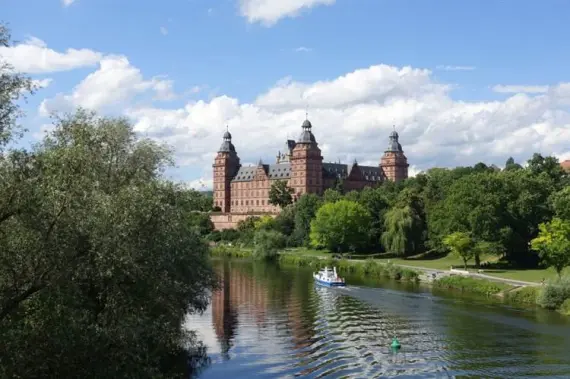
Aschaffenburg, known as the "Bavarian Nice," impresses with its atmosphere, cultural and architectural richness. At the heart of this city stands the majestic Johannisburg Castle, a Renaissance architectural gem, surrounded by enchanting gardens. This imposing structure, built of red sandstone, not only dominates the cityscape, but also offers rich art collections and historic interiors, including works by Lucas Cranach the Elder. The Pompejanum, on the other hand, transports visitors to ancient Rome, being a faithful replica of a Roman villa. These unique attractions make Aschaffenburg a place where history comes alive in every corner.
Teaterplatz is the cultural heart of the city, with an early 19th century city theater and one of the largest sundials in Europe. The square is not only a place to meet and relax, but also a starting point to further explore Aschaffenburg's cultural wealth, including the Stiftsmuseum with its collection of church art. As a result, Aschaffenburg offers a variety of cultural experiences, from theater to history and art, that attract culture lovers from around the world.
Buses to and from Aschaffenburg
Aschaffenburg is well connected to the rest of Germany and neighboring countries thanks to an extensive bus network. Buses to and from the city offer easy access to all its attractions, making it an attractive point on the tourist map. Travel comfort and direct connections to key cities ensure that visitors can enjoy Aschaffenburg's cultural and historical riches without undue hardship.
Aschaffenburg, known as the "Bavarian Nice," impresses with its atmosphere, cultural and architectural richness. At the heart of this city stands the majestic Johannisburg Castle, a Renaissance architectural gem, surrounded by enchanting gardens. This imposing structure, built of red sandstone, not only dominates the cityscape, but also offers rich art collections and historic interiors, including works by Lucas Cranach the Elder. The Pompejanum, on the other hand, transports visitors to ancient Rome, being a faithful replica of a Roman villa. These unique attractions make Aschaffenburg a place where history comes alive in every corner.
Teaterplatz is the cultural heart of the city, with an early 19th century city theater and one of the largest sundials in Europe. The square is not only a place to meet and relax, but also a starting point to further explore Aschaffenburg's cultural wealth, including the Stiftsmuseum with its collection of church art. As a result, Aschaffenburg offers a variety of cultural experiences, from theater to history and art, that attract culture lovers from around the world.
Buses to and from Aschaffenburg
Aschaffenburg is well connected to the rest of Germany and neighboring countries thanks to an extensive bus network. Buses to and from the city offer easy access to all its attractions, making it an attractive point on the tourist map. Travel comfort and direct connections to key cities ensure that visitors can enjoy Aschaffenburg's cultural and historical riches without undue hardship.







© 2025 Sindbad
Technical support, assistance, payments: Sindbad IT
© 2025 Sindbad
Technical support, assistance, payments: Sindbad IT