
KARLSRUHE bus to LINZ
KARLSRUHE
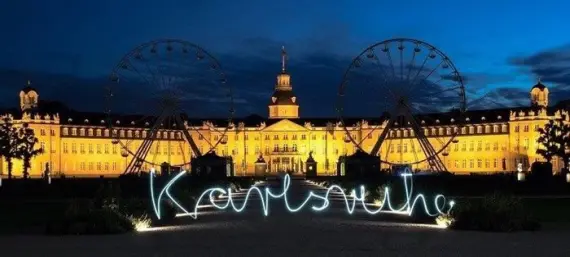
Karlsruhe is a city in Baden-Württemberg in southwestern Germany. It lies in the Upper Rhine Plain, on the Rhine, Alb and Pfinz rivers. It was founded in 1715 by the Margrave of Baden, Karl Wilhelm von Baden-Durlach. What undoubtedly distinguishes the city is its layout in the classic star-shaped layout. At the center is the palace, from which 32 avenues descend radially.
Already in the 19th century Karlsruhe was an important European scientific center. Research on electromagnetic waves was conducted there by Heinrich Hertz, and Karl Drais constructed the first bicycle in 1817. The city is home to Germany's oldest technical university.
What to see in Karlsruhe?
One of the most important sights in the city is the Renaissance palace located in the center. Its interiors now house the Baden State Museum with collections on the region and Karlsruhe itself. This castle is surrounded by an extensive park with a botanical garden and other thematic gardens, where you can have a nice rest amidst the greenery. Another museum worth visiting is the Staatliche Kunsthalle Karlsruhe, with a valuable collection of paintings by such famous artists as Rembrandt, Dürer and Cézanne, among others.
Getting there and transportation - Karlsruhe
The city is well connected - important highways such as the A5, A8 and A65 pass close by, and the French border is only about twenty kilometers away. Karlsruhe's location on the Rhine makes the city an important inland port, the fourth largest in Germany.
The city is also a major rail hub with a freight station where numerous lines converge, including those from Heidelberg to Basel and Mannheim to Rastatt. The Karlsruhe bus station is located near the city's main train station - Karlsruhe Hauptbahnhof on Schwarzwaldstrsse. Sindbad offers numerous buses to Karlsruhe - an affordable and environmentally friendly option for getting to this German city.
Karlsruhe is a city in Baden-Württemberg in southwestern Germany. It lies in the Upper Rhine Plain, on the Rhine, Alb and Pfinz rivers. It was founded in 1715 by the Margrave of Baden, Karl Wilhelm von Baden-Durlach. What undoubtedly distinguishes the city is its layout in the classic star-shaped layout. At the center is the palace, from which 32 avenues descend radially.
Already in the 19th century Karlsruhe was an important European scientific center. Research on electromagnetic waves was conducted there by Heinrich Hertz, and Karl Drais constructed the first bicycle in 1817. The city is home to Germany's oldest technical university.
What to see in Karlsruhe?
One of the most important sights in the city is the Renaissance palace located in the center. Its interiors now house the Baden State Museum with collections on the region and Karlsruhe itself. This castle is surrounded by an extensive park with a botanical garden and other thematic gardens, where you can have a nice rest amidst the greenery. Another museum worth visiting is the Staatliche Kunsthalle Karlsruhe, with a valuable collection of paintings by such famous artists as Rembrandt, Dürer and Cézanne, among others.
Getting there and transportation - Karlsruhe
The city is well connected - important highways such as the A5, A8 and A65 pass close by, and the French border is only about twenty kilometers away. Karlsruhe's location on the Rhine makes the city an important inland port, the fourth largest in Germany.
The city is also a major rail hub with a freight station where numerous lines converge, including those from Heidelberg to Basel and Mannheim to Rastatt. The Karlsruhe bus station is located near the city's main train station - Karlsruhe Hauptbahnhof on Schwarzwaldstrsse. Sindbad offers numerous buses to Karlsruhe - an affordable and environmentally friendly option for getting to this German city.
LINZ
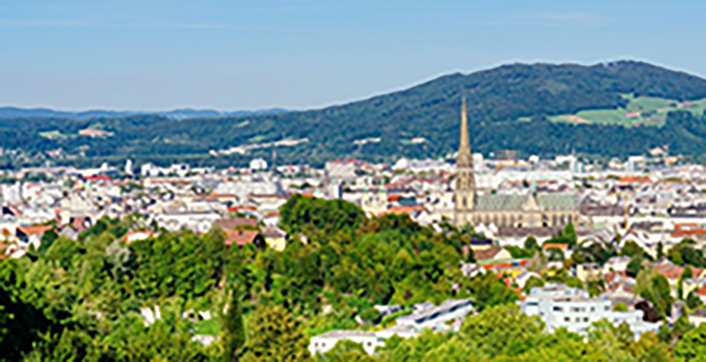
Linz is Austria's third-largest city, located on the Danube River in the western part of the country, in the Upper Austria region. The city combines modernity with a rich history, offering tourists many cultural, architectural and natural attractions.
Linz's strengths:
1. Culture and art:
a. Linz is the true cultural center of Austria. The city was the European Capital of Culture in 2009, which contributed to the dynamic development of the cultural sector. Linz is home to a number of museums and galleries, including the Lentos Kunstmuseum (a contemporary art museum), the Ars Electronica Center, which focuses on art and technology, and the Bruckner Museum, dedicated to composer Anton Bruckner, who was associated with the city.
2. Modern architecture:
a. Linz combines modern architecture with traditional buildings. Note the Ars Electronica Center, which is a symbol of modern Linz, and the Donauturm Tower, which offers a spectacular view of the city and the Danube River.
3. Monuments:
a. Linz also boasts historical attractions such as St. Mary's Cathedral (Mariendom), the largest church in Austria, the Old Market Square (Hauptplatz) with its picturesque townhouses, and Linz Castle, which offers a beautiful view of the city and the river.
4. Location on the Danube River:
a. The city is located on the Danube River, which is conducive to water tourism, walking along the river and exploring the scenic surroundings. There are also bicycle paths along the Danube to explore the region.
5. Transformation and innovation:
a. Linz is also known for innovation and technology. The city has a strong industrial tradition and is now betting on the development of the IT sector, start-ups and new technologies. The Ars Electronica Festival is one of the most important events in the world related to new media and digital art.
6. Events and festivals:
a. Linz hosts many art events and festivals throughout the year, such as the Ars Electronica Festival, Linz Fest and Pflasterspektakel, an international festival of street artists.
7. Good transport links:
a. Linz is well connected, both to other cities in Austria and to neighboring countries. The city has an international airport and convenient rail and road connections, making travel easy.
Linz is a place where tradition meets modernity, offering tourists a unique combination of culture, art, history and innovation.
Linz is Austria's third-largest city, located on the Danube River in the western part of the country, in the Upper Austria region. The city combines modernity with a rich history, offering tourists many cultural, architectural and natural attractions.
Linz's strengths:
1. Culture and art:
a. Linz is the true cultural center of Austria. The city was the European Capital of Culture in 2009, which contributed to the dynamic development of the cultural sector. Linz is home to a number of museums and galleries, including the Lentos Kunstmuseum (a contemporary art museum), the Ars Electronica Center, which focuses on art and technology, and the Bruckner Museum, dedicated to composer Anton Bruckner, who was associated with the city.
2. Modern architecture:
a. Linz combines modern architecture with traditional buildings. Note the Ars Electronica Center, which is a symbol of modern Linz, and the Donauturm Tower, which offers a spectacular view of the city and the Danube River.
3. Monuments:
a. Linz also boasts historical attractions such as St. Mary's Cathedral (Mariendom), the largest church in Austria, the Old Market Square (Hauptplatz) with its picturesque townhouses, and Linz Castle, which offers a beautiful view of the city and the river.
4. Location on the Danube River:
a. The city is located on the Danube River, which is conducive to water tourism, walking along the river and exploring the scenic surroundings. There are also bicycle paths along the Danube to explore the region.
5. Transformation and innovation:
a. Linz is also known for innovation and technology. The city has a strong industrial tradition and is now betting on the development of the IT sector, start-ups and new technologies. The Ars Electronica Festival is one of the most important events in the world related to new media and digital art.
6. Events and festivals:
a. Linz hosts many art events and festivals throughout the year, such as the Ars Electronica Festival, Linz Fest and Pflasterspektakel, an international festival of street artists.
7. Good transport links:
a. Linz is well connected, both to other cities in Austria and to neighboring countries. The city has an international airport and convenient rail and road connections, making travel easy.
Linz is a place where tradition meets modernity, offering tourists a unique combination of culture, art, history and innovation.







© 2026 Sindbad
Technical support, assistance, payments: Sindbad IT
© 2026 Sindbad
Technical support, assistance, payments: Sindbad IT