
LINZ bus to VIENNA
LINZ
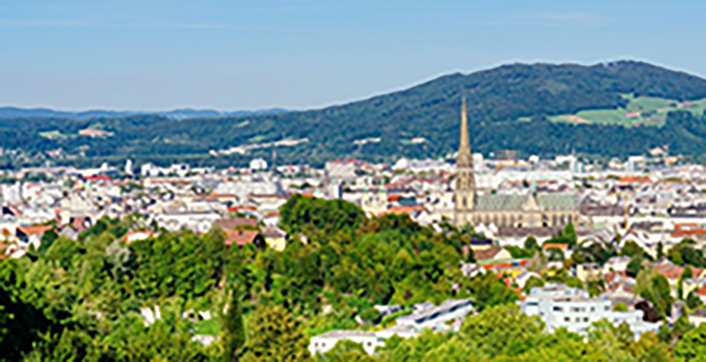
Linz is Austria's third-largest city, located on the Danube River in the western part of the country, in the Upper Austria region. The city combines modernity with a rich history, offering tourists many cultural, architectural and natural attractions.
Linz's strengths:
1. Culture and art:
a. Linz is the true cultural center of Austria. The city was the European Capital of Culture in 2009, which contributed to the dynamic development of the cultural sector. Linz is home to a number of museums and galleries, including the Lentos Kunstmuseum (a contemporary art museum), the Ars Electronica Center, which focuses on art and technology, and the Bruckner Museum, dedicated to composer Anton Bruckner, who was associated with the city.
2. Modern architecture:
a. Linz combines modern architecture with traditional buildings. Note the Ars Electronica Center, which is a symbol of modern Linz, and the Donauturm Tower, which offers a spectacular view of the city and the Danube River.
3. Monuments:
a. Linz also boasts historical attractions such as St. Mary's Cathedral (Mariendom), the largest church in Austria, the Old Market Square (Hauptplatz) with its picturesque townhouses, and Linz Castle, which offers a beautiful view of the city and the river.
4. Location on the Danube River:
a. The city is located on the Danube River, which is conducive to water tourism, walking along the river and exploring the scenic surroundings. There are also bicycle paths along the Danube to explore the region.
5. Transformation and innovation:
a. Linz is also known for innovation and technology. The city has a strong industrial tradition and is now betting on the development of the IT sector, start-ups and new technologies. The Ars Electronica Festival is one of the most important events in the world related to new media and digital art.
6. Events and festivals:
a. Linz hosts many art events and festivals throughout the year, such as the Ars Electronica Festival, Linz Fest and Pflasterspektakel, an international festival of street artists.
7. Good transport links:
a. Linz is well connected, both to other cities in Austria and to neighboring countries. The city has an international airport and convenient rail and road connections, making travel easy.
Linz is a place where tradition meets modernity, offering tourists a unique combination of culture, art, history and innovation.
Linz is Austria's third-largest city, located on the Danube River in the western part of the country, in the Upper Austria region. The city combines modernity with a rich history, offering tourists many cultural, architectural and natural attractions.
Linz's strengths:
1. Culture and art:
a. Linz is the true cultural center of Austria. The city was the European Capital of Culture in 2009, which contributed to the dynamic development of the cultural sector. Linz is home to a number of museums and galleries, including the Lentos Kunstmuseum (a contemporary art museum), the Ars Electronica Center, which focuses on art and technology, and the Bruckner Museum, dedicated to composer Anton Bruckner, who was associated with the city.
2. Modern architecture:
a. Linz combines modern architecture with traditional buildings. Note the Ars Electronica Center, which is a symbol of modern Linz, and the Donauturm Tower, which offers a spectacular view of the city and the Danube River.
3. Monuments:
a. Linz also boasts historical attractions such as St. Mary's Cathedral (Mariendom), the largest church in Austria, the Old Market Square (Hauptplatz) with its picturesque townhouses, and Linz Castle, which offers a beautiful view of the city and the river.
4. Location on the Danube River:
a. The city is located on the Danube River, which is conducive to water tourism, walking along the river and exploring the scenic surroundings. There are also bicycle paths along the Danube to explore the region.
5. Transformation and innovation:
a. Linz is also known for innovation and technology. The city has a strong industrial tradition and is now betting on the development of the IT sector, start-ups and new technologies. The Ars Electronica Festival is one of the most important events in the world related to new media and digital art.
6. Events and festivals:
a. Linz hosts many art events and festivals throughout the year, such as the Ars Electronica Festival, Linz Fest and Pflasterspektakel, an international festival of street artists.
7. Good transport links:
a. Linz is well connected, both to other cities in Austria and to neighboring countries. The city has an international airport and convenient rail and road connections, making travel easy.
Linz is a place where tradition meets modernity, offering tourists a unique combination of culture, art, history and innovation.
VIENNA
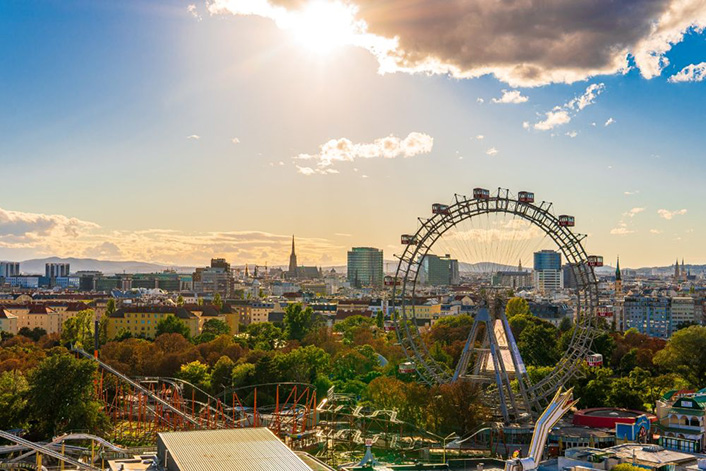
Vienna (German: Wien) is the capital of Austria and one of Europe's most important cities, both politically and culturally. Located on the Danube River, Vienna has a long history dating back to Roman times, when a military camp existed there. During the Middle Ages, the city became an important center in Central Europe, and after 1278 it became the capital of the Habsburg monarchy, which had a huge impact on its development and appearance.
Vienna is known for its impressive architecture, including Schönbrunn Palace, St. Stephen's Cathedral (Stephansdom), the Belvedere and many other monuments. The city is also known for its rich musical tradition, being home to composers such as Ludwig van Beethoven, Wolfgang Amadeus Mozart, Johann Strauss and Franz Schubert.
Viennese culture is closely associated with classical music, opera and ballet, and Vienna offers many concert halls and theaters, such as the famous Vienna Opera. In addition, Vienna has a thriving cultural scene, including numerous art galleries, museums (such as the Museum of Art History and the Albertina Museum) and festivals.
The city is also known for its high quality of life, beautiful parks such as the Prater, and traditional cafes that are an important part of Viennese culture, such as Cafe Central.
Vienna also serves as a political and economic and financial center, being home to many international organizations, including the United Nations (UN) and OPEC.
It is one of the most charming and influential cities in Europe, combining history with modernity to offer tourists countless attractions.
Vienna (German: Wien) is the capital of Austria and one of Europe's most important cities, both politically and culturally. Located on the Danube River, Vienna has a long history dating back to Roman times, when a military camp existed there. During the Middle Ages, the city became an important center in Central Europe, and after 1278 it became the capital of the Habsburg monarchy, which had a huge impact on its development and appearance.
Vienna is known for its impressive architecture, including Schönbrunn Palace, St. Stephen's Cathedral (Stephansdom), the Belvedere and many other monuments. The city is also known for its rich musical tradition, being home to composers such as Ludwig van Beethoven, Wolfgang Amadeus Mozart, Johann Strauss and Franz Schubert.
Viennese culture is closely associated with classical music, opera and ballet, and Vienna offers many concert halls and theaters, such as the famous Vienna Opera. In addition, Vienna has a thriving cultural scene, including numerous art galleries, museums (such as the Museum of Art History and the Albertina Museum) and festivals.
The city is also known for its high quality of life, beautiful parks such as the Prater, and traditional cafes that are an important part of Viennese culture, such as Cafe Central.
Vienna also serves as a political and economic and financial center, being home to many international organizations, including the United Nations (UN) and OPEC.
It is one of the most charming and influential cities in Europe, combining history with modernity to offer tourists countless attractions.







© 2026 Sindbad
Technical support, assistance, payments: Sindbad IT
© 2026 Sindbad
Technical support, assistance, payments: Sindbad IT