
Bus to JEDRZEJOW from ASCHAFFENBURG - buy a ticket
ASCHAFFENBURG
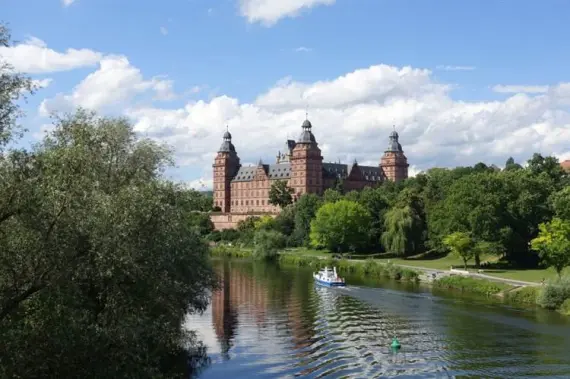
Aschaffenburg, known as the "Bavarian Nice," impresses with its atmosphere, cultural and architectural richness. At the heart of this city stands the majestic Johannisburg Castle, a Renaissance architectural gem, surrounded by enchanting gardens. This imposing structure, built of red sandstone, not only dominates the cityscape, but also offers rich art collections and historic interiors, including works by Lucas Cranach the Elder. The Pompejanum, on the other hand, transports visitors to ancient Rome, being a faithful replica of a Roman villa. These unique attractions make Aschaffenburg a place where history comes alive in every corner.
Teaterplatz is the cultural heart of the city, with an early 19th century city theater and one of the largest sundials in Europe. The square is not only a place to meet and relax, but also a starting point to further explore Aschaffenburg's cultural wealth, including the Stiftsmuseum with its collection of church art. As a result, Aschaffenburg offers a variety of cultural experiences, from theater to history and art, that attract culture lovers from around the world.
Buses to and from Aschaffenburg
Aschaffenburg is well connected to the rest of Germany and neighboring countries thanks to an extensive bus network. Buses to and from the city offer easy access to all its attractions, making it an attractive point on the tourist map. Travel comfort and direct connections to key cities ensure that visitors can enjoy Aschaffenburg's cultural and historical riches without undue hardship.
Aschaffenburg, known as the "Bavarian Nice," impresses with its atmosphere, cultural and architectural richness. At the heart of this city stands the majestic Johannisburg Castle, a Renaissance architectural gem, surrounded by enchanting gardens. This imposing structure, built of red sandstone, not only dominates the cityscape, but also offers rich art collections and historic interiors, including works by Lucas Cranach the Elder. The Pompejanum, on the other hand, transports visitors to ancient Rome, being a faithful replica of a Roman villa. These unique attractions make Aschaffenburg a place where history comes alive in every corner.
Teaterplatz is the cultural heart of the city, with an early 19th century city theater and one of the largest sundials in Europe. The square is not only a place to meet and relax, but also a starting point to further explore Aschaffenburg's cultural wealth, including the Stiftsmuseum with its collection of church art. As a result, Aschaffenburg offers a variety of cultural experiences, from theater to history and art, that attract culture lovers from around the world.
Buses to and from Aschaffenburg
Aschaffenburg is well connected to the rest of Germany and neighboring countries thanks to an extensive bus network. Buses to and from the city offer easy access to all its attractions, making it an attractive point on the tourist map. Travel comfort and direct connections to key cities ensure that visitors can enjoy Aschaffenburg's cultural and historical riches without undue hardship.
JEDRZEJOW
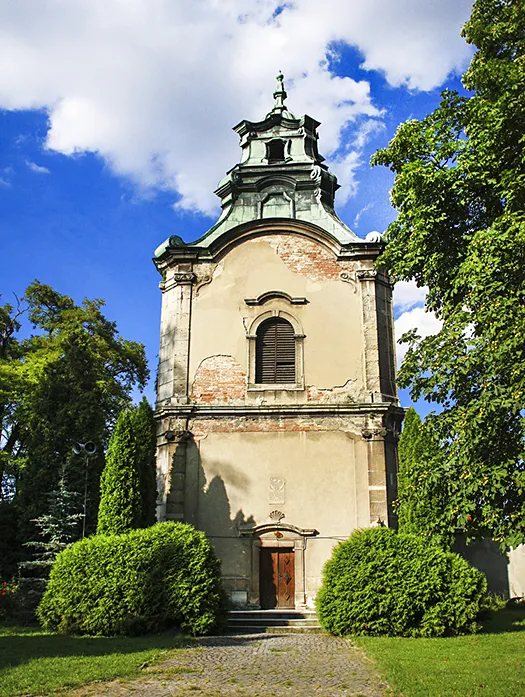
Jedrzejow is a town in the Swietokrzyskie province located on the road from Kielce to Krakow. Its history is inextricably linked to the Cistercian monastery, which was founded in 1140 by brothers from the Gryfit family - Janik and Klemens. Initially Jedrzejow functioned as a servant settlement of the monastery, but in 1271 Boleslaw the Chaste granted it city rights and located it under Magdeburg law. The monastery itself was the first Cistercian center of its kind in Poland, and over the years has hosted many prominent Poles.
Jędrzejów is known as the town of clocks due to its sizeable collection housed in the Przypkowski Museum and clocks visible in various parts of the town. While there, take a ride on the narrow-gauge train called Ciuchcią Ekspres "Ponidzie", which passes through the picturesque area of the Nida River.
Buses to Jedrzejow - how to get there
The best way to get to Jedrzejow is by bus, train or your own car. Buses from Jedrzejow leave from the bus station located at 11 Wladyslaw Reymonta Street; there is also a train station nearby. The city is well connected with the rest of the country, and is also on the route of coach carriers on international routes.
Jedrzejow is a town in the Swietokrzyskie province located on the road from Kielce to Krakow. Its history is inextricably linked to the Cistercian monastery, which was founded in 1140 by brothers from the Gryfit family - Janik and Klemens. Initially Jedrzejow functioned as a servant settlement of the monastery, but in 1271 Boleslaw the Chaste granted it city rights and located it under Magdeburg law. The monastery itself was the first Cistercian center of its kind in Poland, and over the years has hosted many prominent Poles.
Jędrzejów is known as the town of clocks due to its sizeable collection housed in the Przypkowski Museum and clocks visible in various parts of the town. While there, take a ride on the narrow-gauge train called Ciuchcią Ekspres "Ponidzie", which passes through the picturesque area of the Nida River.
Buses to Jedrzejow - how to get there
The best way to get to Jedrzejow is by bus, train or your own car. Buses from Jedrzejow leave from the bus station located at 11 Wladyslaw Reymonta Street; there is also a train station nearby. The city is well connected with the rest of the country, and is also on the route of coach carriers on international routes.







© 2025 Sindbad
Technical support, assistance, payments: Sindbad IT
© 2025 Sindbad
Technical support, assistance, payments: Sindbad IT