
Coach ASCHAFFENBURG - SYCOW - find a connection and buy a ticket
ASCHAFFENBURG
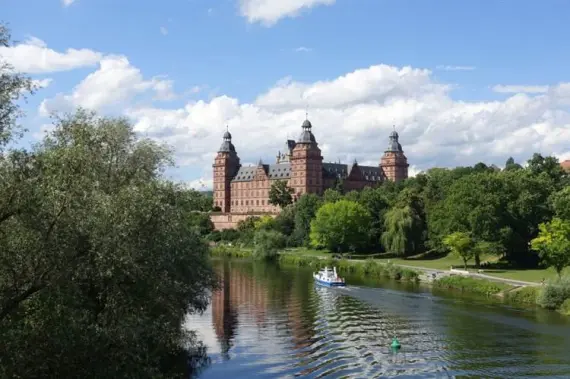
Aschaffenburg, known as the "Bavarian Nice," impresses with its atmosphere, cultural and architectural richness. At the heart of this city stands the majestic Johannisburg Castle, a Renaissance architectural gem, surrounded by enchanting gardens. This imposing structure, built of red sandstone, not only dominates the cityscape, but also offers rich art collections and historic interiors, including works by Lucas Cranach the Elder. The Pompejanum, on the other hand, transports visitors to ancient Rome, being a faithful replica of a Roman villa. These unique attractions make Aschaffenburg a place where history comes alive in every corner.
Teaterplatz is the cultural heart of the city, with an early 19th century city theater and one of the largest sundials in Europe. The square is not only a place to meet and relax, but also a starting point to further explore Aschaffenburg's cultural wealth, including the Stiftsmuseum with its collection of church art. As a result, Aschaffenburg offers a variety of cultural experiences, from theater to history and art, that attract culture lovers from around the world.
Buses to and from Aschaffenburg
Aschaffenburg is well connected to the rest of Germany and neighboring countries thanks to an extensive bus network. Buses to and from the city offer easy access to all its attractions, making it an attractive point on the tourist map. Travel comfort and direct connections to key cities ensure that visitors can enjoy Aschaffenburg's cultural and historical riches without undue hardship.
Aschaffenburg, known as the "Bavarian Nice," impresses with its atmosphere, cultural and architectural richness. At the heart of this city stands the majestic Johannisburg Castle, a Renaissance architectural gem, surrounded by enchanting gardens. This imposing structure, built of red sandstone, not only dominates the cityscape, but also offers rich art collections and historic interiors, including works by Lucas Cranach the Elder. The Pompejanum, on the other hand, transports visitors to ancient Rome, being a faithful replica of a Roman villa. These unique attractions make Aschaffenburg a place where history comes alive in every corner.
Teaterplatz is the cultural heart of the city, with an early 19th century city theater and one of the largest sundials in Europe. The square is not only a place to meet and relax, but also a starting point to further explore Aschaffenburg's cultural wealth, including the Stiftsmuseum with its collection of church art. As a result, Aschaffenburg offers a variety of cultural experiences, from theater to history and art, that attract culture lovers from around the world.
Buses to and from Aschaffenburg
Aschaffenburg is well connected to the rest of Germany and neighboring countries thanks to an extensive bus network. Buses to and from the city offer easy access to all its attractions, making it an attractive point on the tourist map. Travel comfort and direct connections to key cities ensure that visitors can enjoy Aschaffenburg's cultural and historical riches without undue hardship.
SYCOW
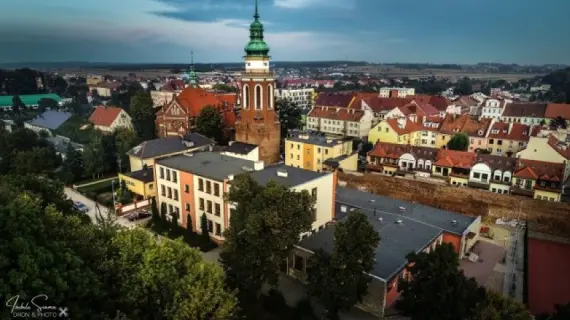
Syców is a town in Lower Silesia Province in Oleśnic County located about 60 kilometers northeast of Wrocław on the Mill River. The name Syców may derive from the word "Syc" meaning miser, or from the diminutive of the name Sylvester. The earliest mention of Syców dates back to 1276. The greatest contributions to Sycow can be attributed to the Biron family, which ruled the town from 1736 to 1945 and thanks to whom, among other things, Sycow's streets were paved or gas-lit. This family also built an impressive castle, which unfortunately has not survived to the present day.
Sicow - attractions
In the city you can find several remnants of the neo-Gothic castle that once existed here. Impressive is the beautiful city park designed in English style once surrounding the castle, today providing an ideal place for relaxation, where in addition to a pond and beautifully landscaped alleys with natural monuments, you can admire the mausoleum of the Biron family. The best views of the area are offered by the bell tower, once used as the city gate, located adjacent to the Gothic church of Saints Peter and Paul. Another interesting church is the Evangelical Church of the Apostles John and Peter, once part of the Birons' castle complex, now prized for its acoustic qualities. Walking around Syców, one can come across the remains of the 14th and 15th century walls that once surrounded the town, the building of the former synagogue or other buildings that were once part of the Syców castle complex, such as outbuildings and stables.
Getting to Syców
The S8 Wrocław-Warsaw expressway runs through the municipality of Syców, making the area well connected to the rest of Poland and abroad. Going by car from Wroclaw, Syców can be reached in 30 minutes. The town's train station has been out of service for more than 20 years, and trains do not stop at the Syców train station, but this is expected to change in the coming years. Although the Syców PKS station, located at 1 Kolejowa Street, is now closed, it still serves as the city's transportation center. Coaches Sindbad that travel on domestic and international routes stop there.
Syców is a town in Lower Silesia Province in Oleśnic County located about 60 kilometers northeast of Wrocław on the Mill River. The name Syców may derive from the word "Syc" meaning miser, or from the diminutive of the name Sylvester. The earliest mention of Syców dates back to 1276. The greatest contributions to Sycow can be attributed to the Biron family, which ruled the town from 1736 to 1945 and thanks to whom, among other things, Sycow's streets were paved or gas-lit. This family also built an impressive castle, which unfortunately has not survived to the present day.
Sicow - attractions
In the city you can find several remnants of the neo-Gothic castle that once existed here. Impressive is the beautiful city park designed in English style once surrounding the castle, today providing an ideal place for relaxation, where in addition to a pond and beautifully landscaped alleys with natural monuments, you can admire the mausoleum of the Biron family. The best views of the area are offered by the bell tower, once used as the city gate, located adjacent to the Gothic church of Saints Peter and Paul. Another interesting church is the Evangelical Church of the Apostles John and Peter, once part of the Birons' castle complex, now prized for its acoustic qualities. Walking around Syców, one can come across the remains of the 14th and 15th century walls that once surrounded the town, the building of the former synagogue or other buildings that were once part of the Syców castle complex, such as outbuildings and stables.
Getting to Syców
The S8 Wrocław-Warsaw expressway runs through the municipality of Syców, making the area well connected to the rest of Poland and abroad. Going by car from Wroclaw, Syców can be reached in 30 minutes. The town's train station has been out of service for more than 20 years, and trains do not stop at the Syców train station, but this is expected to change in the coming years. Although the Syców PKS station, located at 1 Kolejowa Street, is now closed, it still serves as the city's transportation center. Coaches Sindbad that travel on domestic and international routes stop there.







© 2025 Sindbad
Technical support, assistance, payments: Sindbad IT
© 2025 Sindbad
Technical support, assistance, payments: Sindbad IT