
Bus to KROTOSZYN from HAGEN - buy a ticket
HAGEN
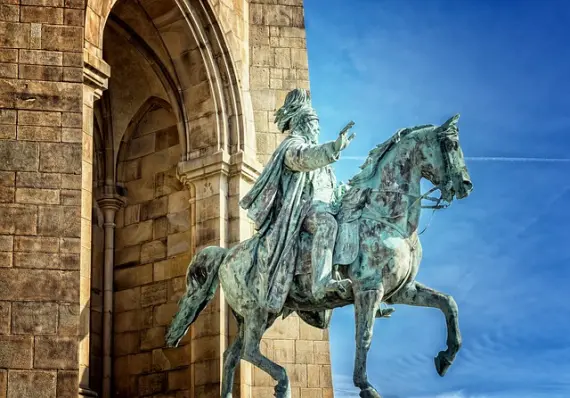
Hagen is a town located in the Ruhr region and as such is primarily associated with industry. But the truth is that it is more than just factories or mines. Hagen has a whole long list of museums and attractions to attract not only workers, but especially tourists.
In the city you will find, for example, the Folkwang museum known for its contemporary art with works by Van Gogh and Paul Cezanne, the planetarium, which hosts various themed events every now and then, or, of course, the museum of technology and industry.
Also not to be missed is the medieval Hohenlimburg Castle, surrounded by a moat and fortified walls.
Buses to and from Hagen, or why you should go there
Hagen is also a park offering themed gardens, ponds, meadows and forests. In addition, there is also a zoological section, which will be a great destination if you are visiting the city with children. Or if you are a fan of fauna yourself.
For more details on when to visit Hagen, what museum tickets to buy and how to get around the city, visit the city's website. And, of course, to visit Hagen, which is already waiting for you.
Hagen is a town located in the Ruhr region and as such is primarily associated with industry. But the truth is that it is more than just factories or mines. Hagen has a whole long list of museums and attractions to attract not only workers, but especially tourists.
In the city you will find, for example, the Folkwang museum known for its contemporary art with works by Van Gogh and Paul Cezanne, the planetarium, which hosts various themed events every now and then, or, of course, the museum of technology and industry.
Also not to be missed is the medieval Hohenlimburg Castle, surrounded by a moat and fortified walls.
Buses to and from Hagen, or why you should go there
Hagen is also a park offering themed gardens, ponds, meadows and forests. In addition, there is also a zoological section, which will be a great destination if you are visiting the city with children. Or if you are a fan of fauna yourself.
For more details on when to visit Hagen, what museum tickets to buy and how to get around the city, visit the city's website. And, of course, to visit Hagen, which is already waiting for you.
KROTOSZYN
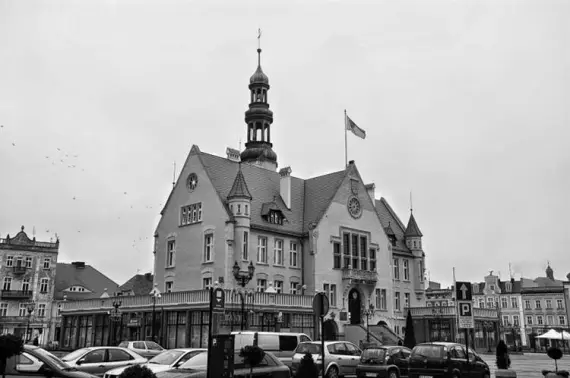
Krotoszyn is a town of nearly 29,000 people located in Greater Poland province on the Kaliska Plateau. It is located between Wrocław and Poznań, near Ostrów Wielkopolski, and is more than 600 years old. It was then that Krotoszyn was located under the Magdeburg Law thanks to King Wladyslaw Jagiello. It owes its name to the Krotowski family, who owned the city area in the 15th century.
Over the centuries Krotoszyn was repeatedly destroyed by various invasions or fires, but was rebuilt quite quickly, so that it did not lose too much of its importance and historical urban layout. In recent centuries, crafts (mainly shoemaking and tanning) and agriculture developed rapidly there.
While in Krotoszyn, it's worth seeing the market square with its historic townhouses and town hall from the late 17th century, as well as numerous churches, especially wooden ones - the church of St. Mary Magdalene from 1755 or St. Fabian and St. Sebastian from 1572, which looks like an Orthodox church. The city also has a charming park named after the Polish Army with a long history. In addition, it is surrounded by numerous forest complexes called Dąbrowa Krotoszynskie, where several scenic biking and hiking trails have been laid out.
Getting there - Krotoszyn
Krotoszyn is well connected with the rest of the country. National and provincial roads run through it. There is a train station and a bus station with daily connections to major cities and neighboring towns in Greater Poland. From the PKS Krotoszyn station you can also go to many European cities, mainly located in Germany, France, England or Italy.
Krotoszyn is a town of nearly 29,000 people located in Greater Poland province on the Kaliska Plateau. It is located between Wrocław and Poznań, near Ostrów Wielkopolski, and is more than 600 years old. It was then that Krotoszyn was located under the Magdeburg Law thanks to King Wladyslaw Jagiello. It owes its name to the Krotowski family, who owned the city area in the 15th century.
Over the centuries Krotoszyn was repeatedly destroyed by various invasions or fires, but was rebuilt quite quickly, so that it did not lose too much of its importance and historical urban layout. In recent centuries, crafts (mainly shoemaking and tanning) and agriculture developed rapidly there.
While in Krotoszyn, it's worth seeing the market square with its historic townhouses and town hall from the late 17th century, as well as numerous churches, especially wooden ones - the church of St. Mary Magdalene from 1755 or St. Fabian and St. Sebastian from 1572, which looks like an Orthodox church. The city also has a charming park named after the Polish Army with a long history. In addition, it is surrounded by numerous forest complexes called Dąbrowa Krotoszynskie, where several scenic biking and hiking trails have been laid out.
Getting there - Krotoszyn
Krotoszyn is well connected with the rest of the country. National and provincial roads run through it. There is a train station and a bus station with daily connections to major cities and neighboring towns in Greater Poland. From the PKS Krotoszyn station you can also go to many European cities, mainly located in Germany, France, England or Italy.







© 2026 Sindbad
Technical support, assistance, payments: Sindbad IT
© 2026 Sindbad
Technical support, assistance, payments: Sindbad IT