
Coach KROTOSZYN - CASSINO - find a connection and buy a ticket
KROTOSZYN
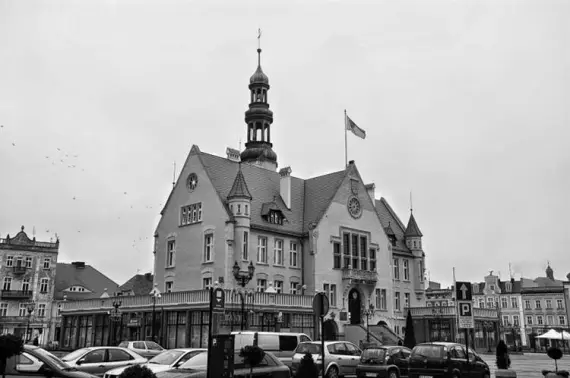
Krotoszyn is a town of nearly 29,000 people located in Greater Poland province on the Kaliska Plateau. It is located between Wrocław and Poznań, near Ostrów Wielkopolski, and is more than 600 years old. It was then that Krotoszyn was located under the Magdeburg Law thanks to King Wladyslaw Jagiello. It owes its name to the Krotowski family, who owned the city area in the 15th century.
Over the centuries Krotoszyn was repeatedly destroyed by various invasions or fires, but was rebuilt quite quickly, so that it did not lose too much of its importance and historical urban layout. In recent centuries, crafts (mainly shoemaking and tanning) and agriculture developed rapidly there.
While in Krotoszyn, it's worth seeing the market square with its historic townhouses and town hall from the late 17th century, as well as numerous churches, especially wooden ones - the church of St. Mary Magdalene from 1755 or St. Fabian and St. Sebastian from 1572, which looks like an Orthodox church. The city also has a charming park named after the Polish Army with a long history. In addition, it is surrounded by numerous forest complexes called Dąbrowa Krotoszynskie, where several scenic biking and hiking trails have been laid out.
Getting there - Krotoszyn
Krotoszyn is well connected with the rest of the country. National and provincial roads run through it. There is a train station and a bus station with daily connections to major cities and neighboring towns in Greater Poland. From the PKS Krotoszyn station you can also go to many European cities, mainly located in Germany, France, England or Italy.
Krotoszyn is a town of nearly 29,000 people located in Greater Poland province on the Kaliska Plateau. It is located between Wrocław and Poznań, near Ostrów Wielkopolski, and is more than 600 years old. It was then that Krotoszyn was located under the Magdeburg Law thanks to King Wladyslaw Jagiello. It owes its name to the Krotowski family, who owned the city area in the 15th century.
Over the centuries Krotoszyn was repeatedly destroyed by various invasions or fires, but was rebuilt quite quickly, so that it did not lose too much of its importance and historical urban layout. In recent centuries, crafts (mainly shoemaking and tanning) and agriculture developed rapidly there.
While in Krotoszyn, it's worth seeing the market square with its historic townhouses and town hall from the late 17th century, as well as numerous churches, especially wooden ones - the church of St. Mary Magdalene from 1755 or St. Fabian and St. Sebastian from 1572, which looks like an Orthodox church. The city also has a charming park named after the Polish Army with a long history. In addition, it is surrounded by numerous forest complexes called Dąbrowa Krotoszynskie, where several scenic biking and hiking trails have been laid out.
Getting there - Krotoszyn
Krotoszyn is well connected with the rest of the country. National and provincial roads run through it. There is a train station and a bus station with daily connections to major cities and neighboring towns in Greater Poland. From the PKS Krotoszyn station you can also go to many European cities, mainly located in Germany, France, England or Italy.
CASSINO
The town of Cassino is located halfway between Rome and Naples. For centuries it has been a kind of gateway to the Italian capital. The hill of Monte Cassino rises to a height of 519 meters above sea level. It was here that the bloodiest and fiercest battle of World War II was fought from January to May 1944. At the site of the monastery passed the Gustav Line, the crossing of which opened the way to Rome for the Allies and moved the front, which had been stalled for long months.
Being on Monte Cassino, it is worth starting your visit with the Benedictine monastery, who established their abbey here as early as the 6th century. During the memorable battles of 1944, the hilltop monastery was almost completely destroyed. Fortunately, much of the historical furnishings from the basilica and valuable works of art and manuscripts were saved. Today they can be admired in the local museum. The Cathedral Basilica of Monte Cassino itself has been painstakingly rebuilt, preserving its pre-war appearance. An attraction that few people know about is the vast Natural Park surrounding the hill. Its area is nearly 700 hectares. In addition to the famous Polish War Cemetery, its grounds include other important Polish monuments - to the "Scorpion" Armored Regiment and the 3rd Carpathian Rifle Division - as well as several scenic walking trails.
The town of Cassino itself also has a few Polish touches - among the most important and most visited are a small museum dedicated to Wladyslaw Anders and a monument to Wojtek the Bear. There are also the remains of a Roman temple and amphitheater from the 1st century BC and an early medieval fortress.
If you want to go to Cassino and visit the famous monastery and the Polish cemetery, you can take advantage of our offer. The stop Sindbad is located in town, right in front of the Edra Palace Hotel.
The town of Cassino is located halfway between Rome and Naples. For centuries it has been a kind of gateway to the Italian capital. The hill of Monte Cassino rises to a height of 519 meters above sea level. It was here that the bloodiest and fiercest battle of World War II was fought from January to May 1944. At the site of the monastery passed the Gustav Line, the crossing of which opened the way to Rome for the Allies and moved the front, which had been stalled for long months.
Being on Monte Cassino, it is worth starting your visit with the Benedictine monastery, who established their abbey here as early as the 6th century. During the memorable battles of 1944, the hilltop monastery was almost completely destroyed. Fortunately, much of the historical furnishings from the basilica and valuable works of art and manuscripts were saved. Today they can be admired in the local museum. The Cathedral Basilica of Monte Cassino itself has been painstakingly rebuilt, preserving its pre-war appearance. An attraction that few people know about is the vast Natural Park surrounding the hill. Its area is nearly 700 hectares. In addition to the famous Polish War Cemetery, its grounds include other important Polish monuments - to the "Scorpion" Armored Regiment and the 3rd Carpathian Rifle Division - as well as several scenic walking trails.
The town of Cassino itself also has a few Polish touches - among the most important and most visited are a small museum dedicated to Wladyslaw Anders and a monument to Wojtek the Bear. There are also the remains of a Roman temple and amphitheater from the 1st century BC and an early medieval fortress.
If you want to go to Cassino and visit the famous monastery and the Polish cemetery, you can take advantage of our offer. The stop Sindbad is located in town, right in front of the Edra Palace Hotel.







© 2026 Sindbad
Technical support, assistance, payments: Sindbad IT
© 2026 Sindbad
Technical support, assistance, payments: Sindbad IT