
Bus to KROTOSZYN from MODENA - timetable and current connections
MODENA
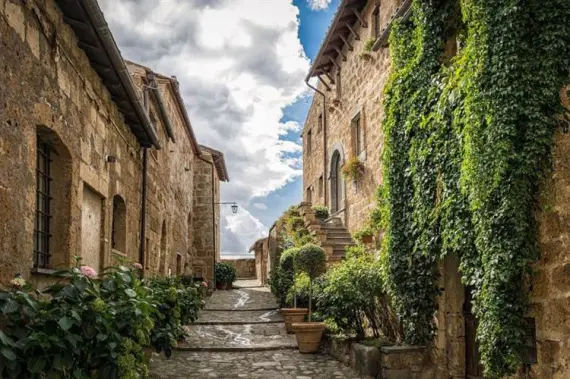
Modena is a large Italian city in the north of the country between Parma and Bologna in the Emilia-Romagna region. It is inhabited by more than 180,000 people. Modena and its immediate surroundings are famous for producing sports cars such as Ferrari, De Tomaso, Pagani and Maserati. It is also known for the production of balsamic vinegar and as the hometown of opera singer Luciano Pavarotti.
Modena - city attractions
Modena is an interesting city, worth visiting if only for a day. The most important sights there are the 12th-century Romanesque cathedral with a nearby tall bell tower - both located in Modena's most important square, Piazza Grande. In addition, noteworthy are the ducal palace (Palazzo Ducale) and the museum palace (Palazzo dei Musei) with several interesting museums - particularly noteworthy are the Estense Gallery or the Archaeological Museum. Being in Modena, it is impossible not to wander to some market and taste local specialties. The largest and most visited by tourists is Mercato Storico Albinelli. A souvenir worth bringing back from this city will be, above all, the original balsamic vinegar made from white grapes and aged long enough.
Getting to Modena
Modena is a major transportation hub, where two highways connect - the A1, known as the Highway of the Sun leading from Milan, through Rome to Naples, and the A22 highway leading to the border crossing with Austria at Brennero. The city has a railroad station, Modena Centrale, from which you can go in three directions - north to Verona, west to Milan and east to Bologna. Also, a bus trip is a good way to get to this city, as it is cheap and environmentally friendly. Our buses stop in the southeast of the city, near the Modena Bus Terminal on Gottardi Street.
Modena is a large Italian city in the north of the country between Parma and Bologna in the Emilia-Romagna region. It is inhabited by more than 180,000 people. Modena and its immediate surroundings are famous for producing sports cars such as Ferrari, De Tomaso, Pagani and Maserati. It is also known for the production of balsamic vinegar and as the hometown of opera singer Luciano Pavarotti.
Modena - city attractions
Modena is an interesting city, worth visiting if only for a day. The most important sights there are the 12th-century Romanesque cathedral with a nearby tall bell tower - both located in Modena's most important square, Piazza Grande. In addition, noteworthy are the ducal palace (Palazzo Ducale) and the museum palace (Palazzo dei Musei) with several interesting museums - particularly noteworthy are the Estense Gallery or the Archaeological Museum. Being in Modena, it is impossible not to wander to some market and taste local specialties. The largest and most visited by tourists is Mercato Storico Albinelli. A souvenir worth bringing back from this city will be, above all, the original balsamic vinegar made from white grapes and aged long enough.
Getting to Modena
Modena is a major transportation hub, where two highways connect - the A1, known as the Highway of the Sun leading from Milan, through Rome to Naples, and the A22 highway leading to the border crossing with Austria at Brennero. The city has a railroad station, Modena Centrale, from which you can go in three directions - north to Verona, west to Milan and east to Bologna. Also, a bus trip is a good way to get to this city, as it is cheap and environmentally friendly. Our buses stop in the southeast of the city, near the Modena Bus Terminal on Gottardi Street.
KROTOSZYN
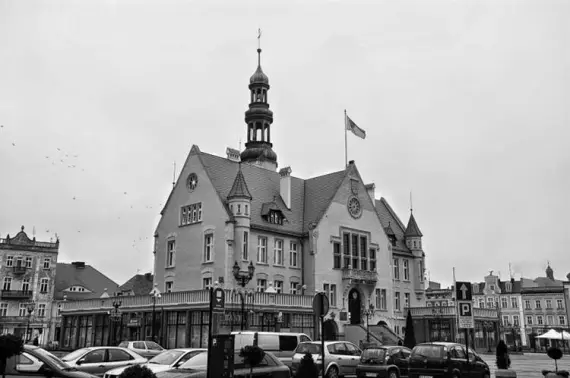
Krotoszyn is a town of nearly 29,000 people located in Greater Poland province on the Kaliska Plateau. It is located between Wrocław and Poznań, near Ostrów Wielkopolski, and is more than 600 years old. It was then that Krotoszyn was located under the Magdeburg Law thanks to King Wladyslaw Jagiello. It owes its name to the Krotowski family, who owned the city area in the 15th century.
Over the centuries Krotoszyn was repeatedly destroyed by various invasions or fires, but was rebuilt quite quickly, so that it did not lose too much of its importance and historical urban layout. In recent centuries, crafts (mainly shoemaking and tanning) and agriculture developed rapidly there.
While in Krotoszyn, it's worth seeing the market square with its historic townhouses and town hall from the late 17th century, as well as numerous churches, especially wooden ones - the church of St. Mary Magdalene from 1755 or St. Fabian and St. Sebastian from 1572, which looks like an Orthodox church. The city also has a charming park named after the Polish Army with a long history. In addition, it is surrounded by numerous forest complexes called Dąbrowa Krotoszynskie, where several scenic biking and hiking trails have been laid out.
Getting there - Krotoszyn
Krotoszyn is well connected with the rest of the country. National and provincial roads run through it. There is a train station and a bus station with daily connections to major cities and neighboring towns in Greater Poland. From the PKS Krotoszyn station you can also go to many European cities, mainly located in Germany, France, England or Italy.
Krotoszyn is a town of nearly 29,000 people located in Greater Poland province on the Kaliska Plateau. It is located between Wrocław and Poznań, near Ostrów Wielkopolski, and is more than 600 years old. It was then that Krotoszyn was located under the Magdeburg Law thanks to King Wladyslaw Jagiello. It owes its name to the Krotowski family, who owned the city area in the 15th century.
Over the centuries Krotoszyn was repeatedly destroyed by various invasions or fires, but was rebuilt quite quickly, so that it did not lose too much of its importance and historical urban layout. In recent centuries, crafts (mainly shoemaking and tanning) and agriculture developed rapidly there.
While in Krotoszyn, it's worth seeing the market square with its historic townhouses and town hall from the late 17th century, as well as numerous churches, especially wooden ones - the church of St. Mary Magdalene from 1755 or St. Fabian and St. Sebastian from 1572, which looks like an Orthodox church. The city also has a charming park named after the Polish Army with a long history. In addition, it is surrounded by numerous forest complexes called Dąbrowa Krotoszynskie, where several scenic biking and hiking trails have been laid out.
Getting there - Krotoszyn
Krotoszyn is well connected with the rest of the country. National and provincial roads run through it. There is a train station and a bus station with daily connections to major cities and neighboring towns in Greater Poland. From the PKS Krotoszyn station you can also go to many European cities, mainly located in Germany, France, England or Italy.







© 2026 Sindbad
Technical support, assistance, payments: Sindbad IT
© 2026 Sindbad
Technical support, assistance, payments: Sindbad IT