
Bus to ASCHAFFENBURG from MYSLENICE - buy a ticket
MYSLENICE
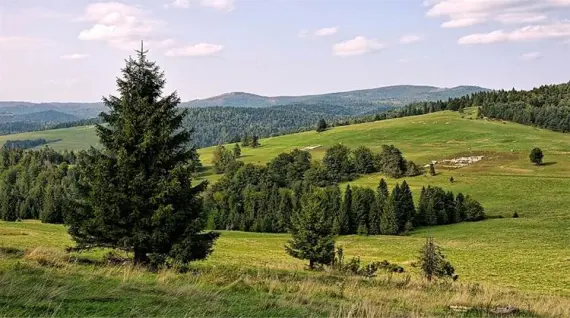
Myslenice is a city with county rights located in Malopolska province. Myslenice was first mentioned as early as the 13th century, while it became a city in 1342. The city's name derives, citing one hypothesis, from Myslenice, one of the founders of the settlement.
Communication, or how to get there - bus to Myslenice from Myslenice
Myslenice is located thirty kilometers south of Krakow, right on the Raba River and its left tributary, the Bysinka. The city is surrounded by the Uklejna, Chelm and Dalin hills. The town can be reached via national road number seven and provincial road number 967.
The highlight of Myslenice is the market square in its most rectangular shape. It was delineated as early as the middle of the fifteenth century according to Magdeburg law. In the eighteenth century the first houses began to be erected near it. The oldest is the Oboński Tenement House.
If you go by bus to Myslenice, it is worth visiting the Church of the Nativity of the Blessed Virgin Mary, built in the 1560s. Initially built in Gothic style, it underwent many modernizations in the following centuries, which allowed to add elements of Baroque and Renaissance architecture to the temple.
Of course, Myslenice has many more monuments worth visiting. However, if you are looking for a PKS connection from Myslenice to European cities, please visit the Myslenice PKS station. By buses Sindbad you will get from Myslenice to all corners of our continent.
Myslenice is a city with county rights located in Malopolska province. Myslenice was first mentioned as early as the 13th century, while it became a city in 1342. The city's name derives, citing one hypothesis, from Myslenice, one of the founders of the settlement.
Communication, or how to get there - bus to Myslenice from Myslenice
Myslenice is located thirty kilometers south of Krakow, right on the Raba River and its left tributary, the Bysinka. The city is surrounded by the Uklejna, Chelm and Dalin hills. The town can be reached via national road number seven and provincial road number 967.
The highlight of Myslenice is the market square in its most rectangular shape. It was delineated as early as the middle of the fifteenth century according to Magdeburg law. In the eighteenth century the first houses began to be erected near it. The oldest is the Oboński Tenement House.
If you go by bus to Myslenice, it is worth visiting the Church of the Nativity of the Blessed Virgin Mary, built in the 1560s. Initially built in Gothic style, it underwent many modernizations in the following centuries, which allowed to add elements of Baroque and Renaissance architecture to the temple.
Of course, Myslenice has many more monuments worth visiting. However, if you are looking for a PKS connection from Myslenice to European cities, please visit the Myslenice PKS station. By buses Sindbad you will get from Myslenice to all corners of our continent.
ASCHAFFENBURG
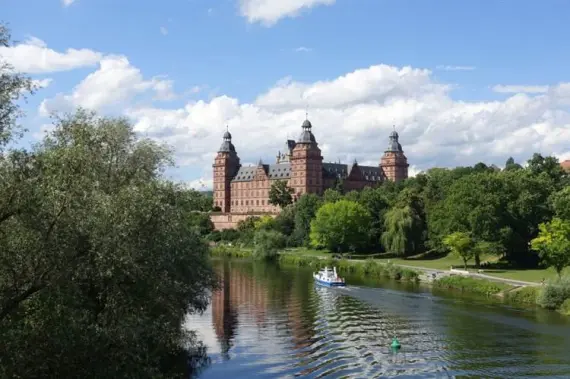
Aschaffenburg, known as the "Bavarian Nice," impresses with its atmosphere, cultural and architectural richness. At the heart of this city stands the majestic Johannisburg Castle, a Renaissance architectural gem, surrounded by enchanting gardens. This imposing structure, built of red sandstone, not only dominates the cityscape, but also offers rich art collections and historic interiors, including works by Lucas Cranach the Elder. The Pompejanum, on the other hand, transports visitors to ancient Rome, being a faithful replica of a Roman villa. These unique attractions make Aschaffenburg a place where history comes alive in every corner.
Teaterplatz is the cultural heart of the city, with an early 19th century city theater and one of the largest sundials in Europe. The square is not only a place to meet and relax, but also a starting point to further explore Aschaffenburg's cultural wealth, including the Stiftsmuseum with its collection of church art. As a result, Aschaffenburg offers a variety of cultural experiences, from theater to history and art, that attract culture lovers from around the world.
Buses to and from Aschaffenburg
Aschaffenburg is well connected to the rest of Germany and neighboring countries thanks to an extensive bus network. Buses to and from the city offer easy access to all its attractions, making it an attractive point on the tourist map. Travel comfort and direct connections to key cities ensure that visitors can enjoy Aschaffenburg's cultural and historical riches without undue hardship.
Aschaffenburg, known as the "Bavarian Nice," impresses with its atmosphere, cultural and architectural richness. At the heart of this city stands the majestic Johannisburg Castle, a Renaissance architectural gem, surrounded by enchanting gardens. This imposing structure, built of red sandstone, not only dominates the cityscape, but also offers rich art collections and historic interiors, including works by Lucas Cranach the Elder. The Pompejanum, on the other hand, transports visitors to ancient Rome, being a faithful replica of a Roman villa. These unique attractions make Aschaffenburg a place where history comes alive in every corner.
Teaterplatz is the cultural heart of the city, with an early 19th century city theater and one of the largest sundials in Europe. The square is not only a place to meet and relax, but also a starting point to further explore Aschaffenburg's cultural wealth, including the Stiftsmuseum with its collection of church art. As a result, Aschaffenburg offers a variety of cultural experiences, from theater to history and art, that attract culture lovers from around the world.
Buses to and from Aschaffenburg
Aschaffenburg is well connected to the rest of Germany and neighboring countries thanks to an extensive bus network. Buses to and from the city offer easy access to all its attractions, making it an attractive point on the tourist map. Travel comfort and direct connections to key cities ensure that visitors can enjoy Aschaffenburg's cultural and historical riches without undue hardship.







© 2025 Sindbad
Technical support, assistance, payments: Sindbad IT
© 2025 Sindbad
Technical support, assistance, payments: Sindbad IT